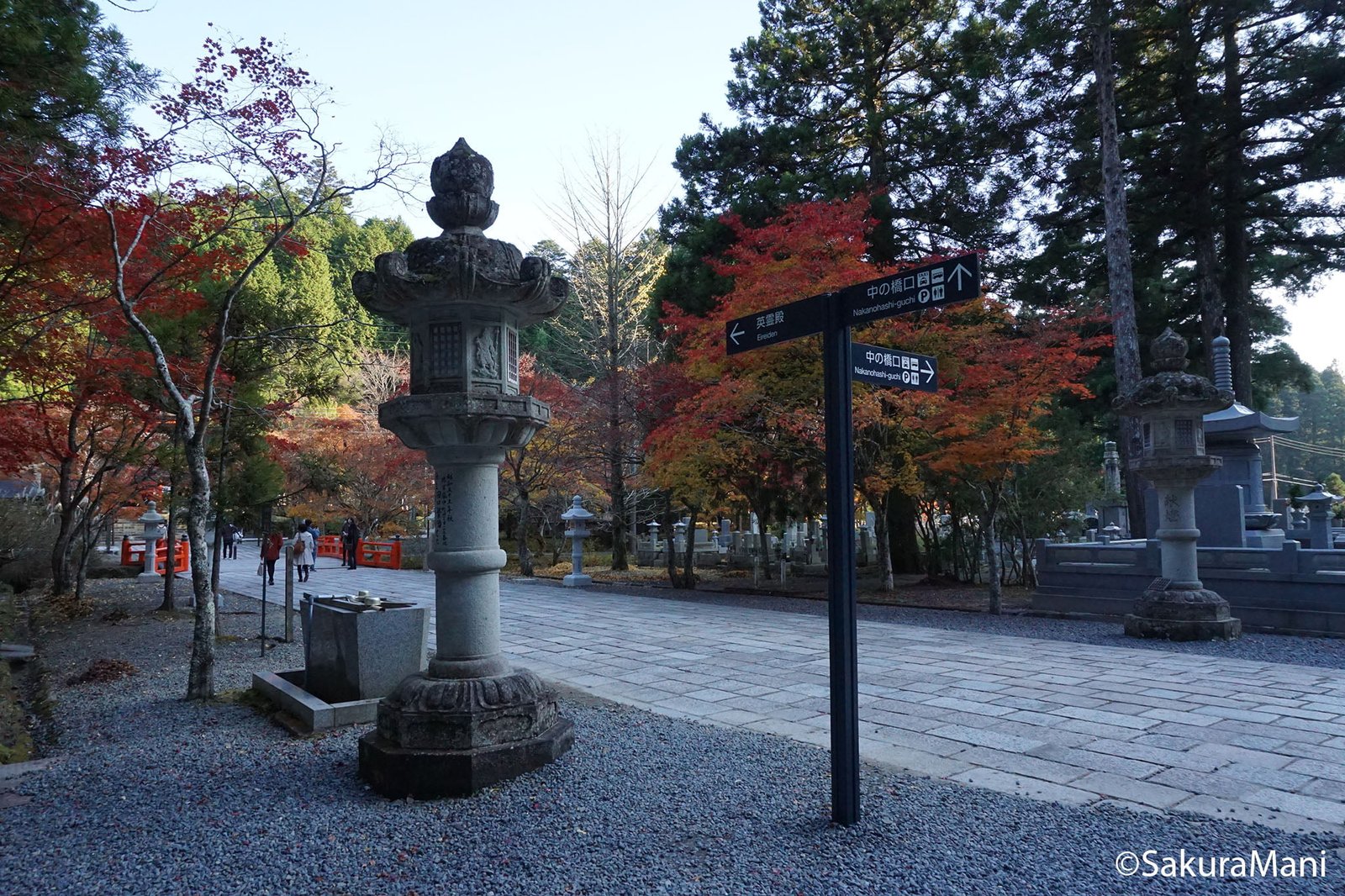
A week back we were taken on an excursion to Koyasan to study its historical importance and witness the roots of Shingon Buddhism. Walking down the thick forest surrounded by tombstones and that too on Halloween day was eerie. However, it was pretty interesting to find tombstones of some very important personalities including the founders […]
Blog

A day spent in the Ninja town
Mie prefecture is located in the south east of Nara, it falls in the Kansai region. Mie is known for its beautiful pearl beach and Ise-jingu. However, I did not have the luxury of time so I decided to make a day’s trip to Iga-Ueno. An easy train ride from JR Nara station made us […]
Coming back to Nara
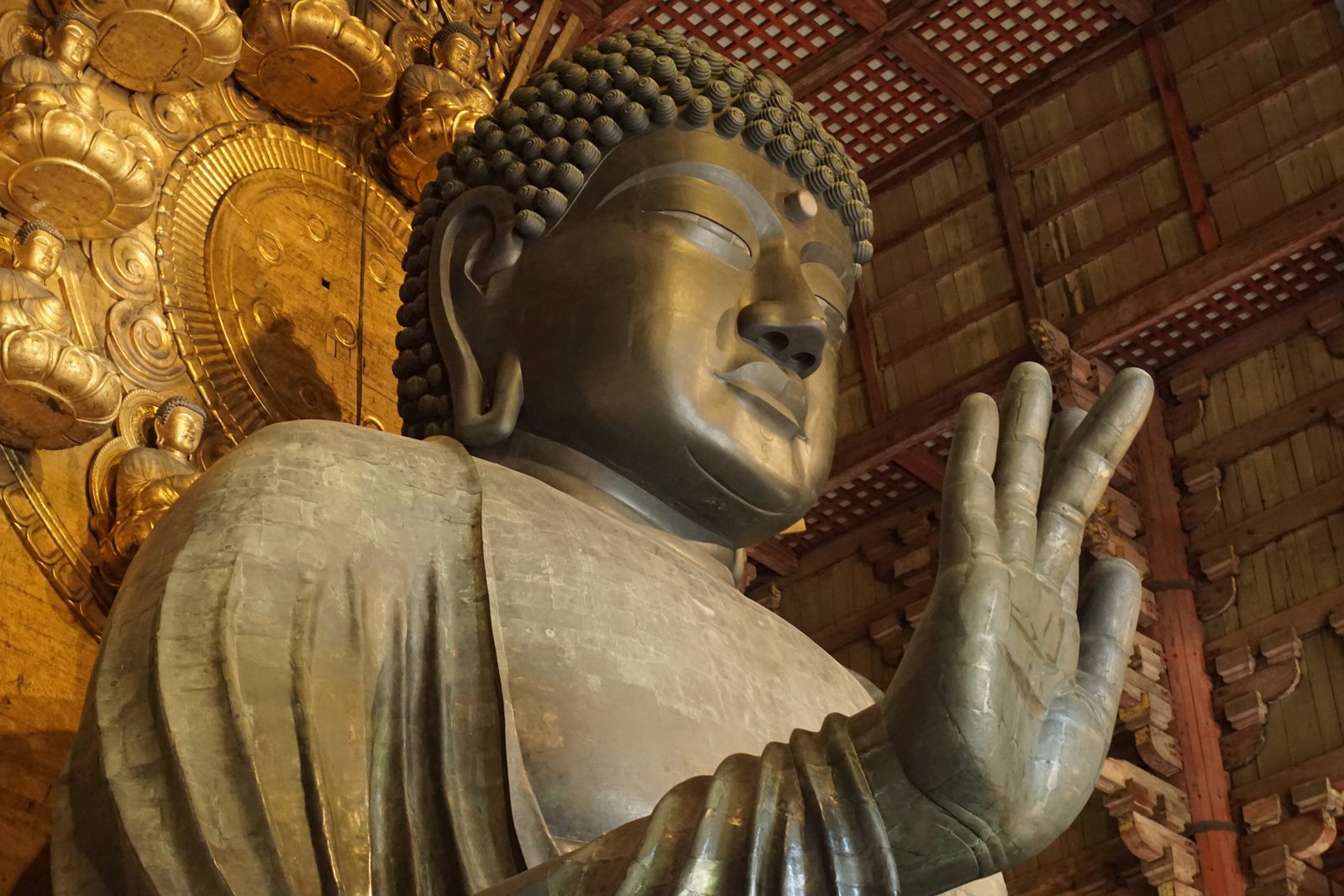
The image of Nara in my mind has always been limited to Tōdai-ji (東大寺) and the great bronze Buddha statue (大仏). Going back in time, I first came to Nara in 2011, on a one day field trip. We were taken to the most apparent and the must see temple in Nara, the Tōdai-ji. I […]

Dates and Days in Japanese
After learning the names of months in Japanese, let us learn how to say dates and days of the week in Japanese. Days of the week are named after the sun, moon and five elements associated with the five planets (Mercury, Venus, Mars, Jupiter and Saturn). This naming system is exactly the same as the […]
The Old Japanese Calendar Kyūreki or Inreki
The old Japanese calendar is based on lunar cycle and was called the 旧暦 kyūreki or 陰暦 inreki. This calendar dates back to the Edo period, Tempo era. Over the course of time, Western/Gregorian calendar was introduced in Japan and Kyūreki lost its popularity. The western calendar is used till date but a modified version […]
Japanese Months
The Japanese names of months are very easy to remember. Unlike in English, the months are sequentially named according to numbers (ichi, ni, san, shi…..); and after each number 月 gatsu is added. For example, January is called 一月 ichigatsu, literally meaning ‘the first month’ and February is called 二月 nigatsu, literally ‘the second month’. However, January […]
Japanese Numbers and Counting
The Japanese traditional counting system is also used as a universal counter (josuushi). However, this system is used to count only till 10. The Sino-Japanese counting system is more prevalent and commonly used in everyday context.
Japanese Counters or 助数詞
When I first learned the Japanese counters, about 10 or 15 of them, I thought that it was all I had to know. In reality, there are so many more counters in Japanese language. There are different Japanese counters or 助数詞 (josuushi) used to count objects of different shapes or kinds, living things, time etc. […]
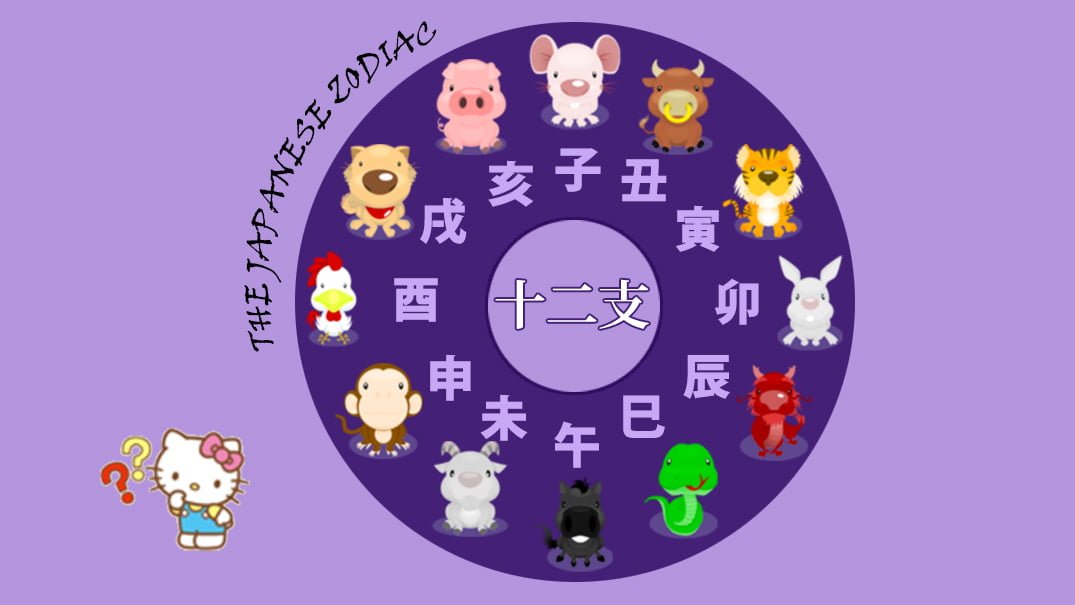
Japanese Zodiac Signs 十干十二支
It is not improper for cats to despise rats, as their enmity goes back to the time of gods. Jikkan Jūnishi (lit ten heavenly stems and twelve earthly branches), the Japanese zodiac is based on the Chinese zodiac system which has twelve animals representing each year respectively from the twelve-year-cycle. Jikkan refers to the ten […]
Kanji Compound Words or Jukugo
The Japanese writing system comprises three different scripts – hiragan, katakana and kanji. I have explained a little bit about these three scripts in separate posts. You can read about hiragana in Japanese Alphabets – Hiragana Charts and katakana in Japanese Alphabets – Katakana Charts. A detailed study about the kanji script and its origin […]